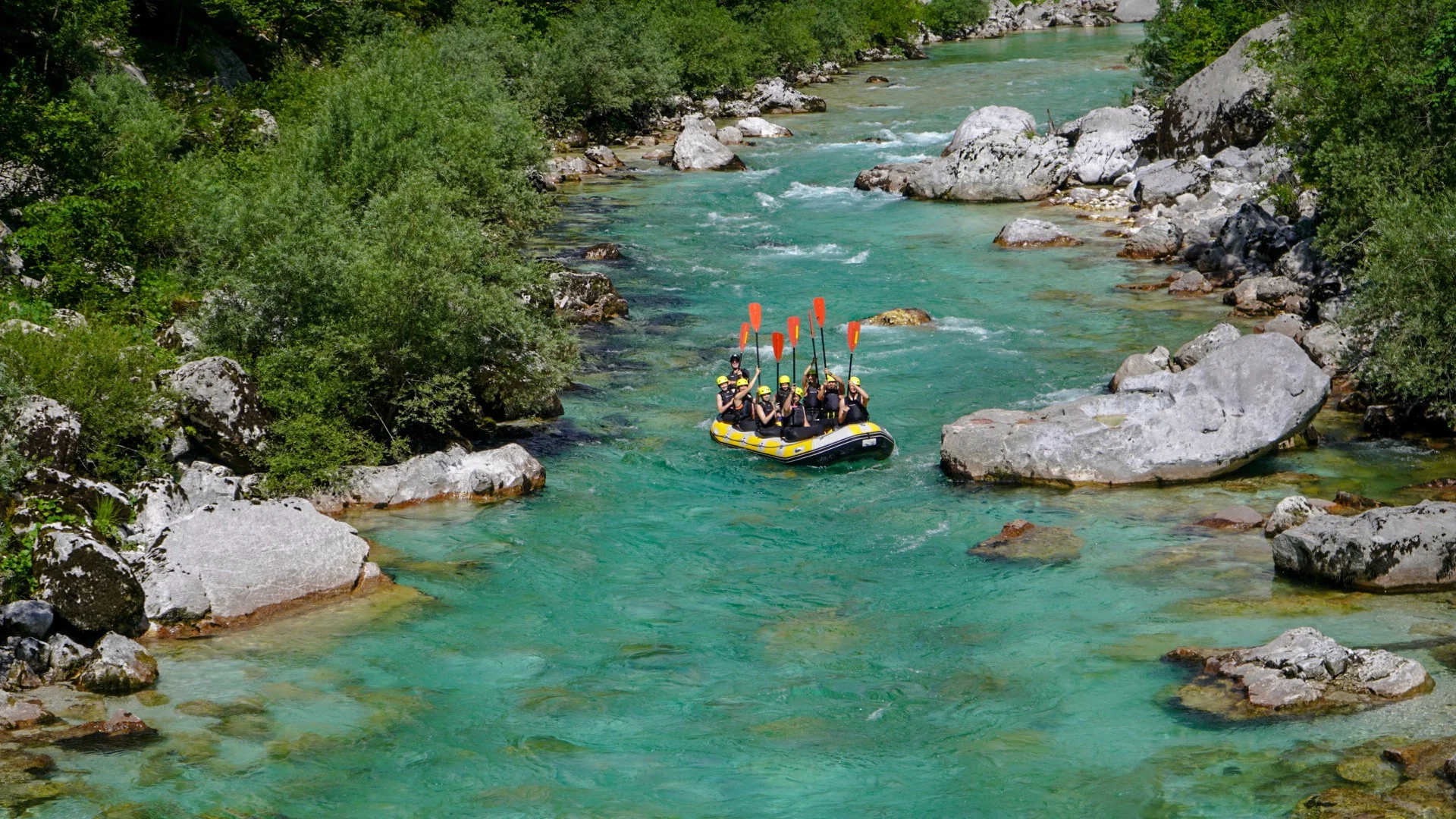
So, when is the best time for rafting on the Soča River? The simple answer is: there is no single best time. The river changes throughout the year, and each part of the season offers a different kind of experience.
In spring, higher water levels can make the Soča faster and more powerful, with snow still visible on the mountains above the valley. Summer brings warm days, lower water levels and more opportunities for swimming and jumping into the river. By early autumn, water levels often rise again, temperatures are still pleasant and the Soča Valley becomes noticeably quieter after the busy summer months.
This means there is no single month that is best for everyone. The right time depends on what you are looking for — more adrenaline, a family-friendly experience, warm summer weather or simply a quieter day on the river.
There is no single best rafting season
The rafting season on the Soča River usually offers very different conditions from spring to autumn. Instead of looking for one perfect month, it is better to choose the time of year based on the kind of experience you would like to have.
Understanding these seasonal differences can help you choose the best time for your rafting adventure in the Soča Valley.
Spring rafting
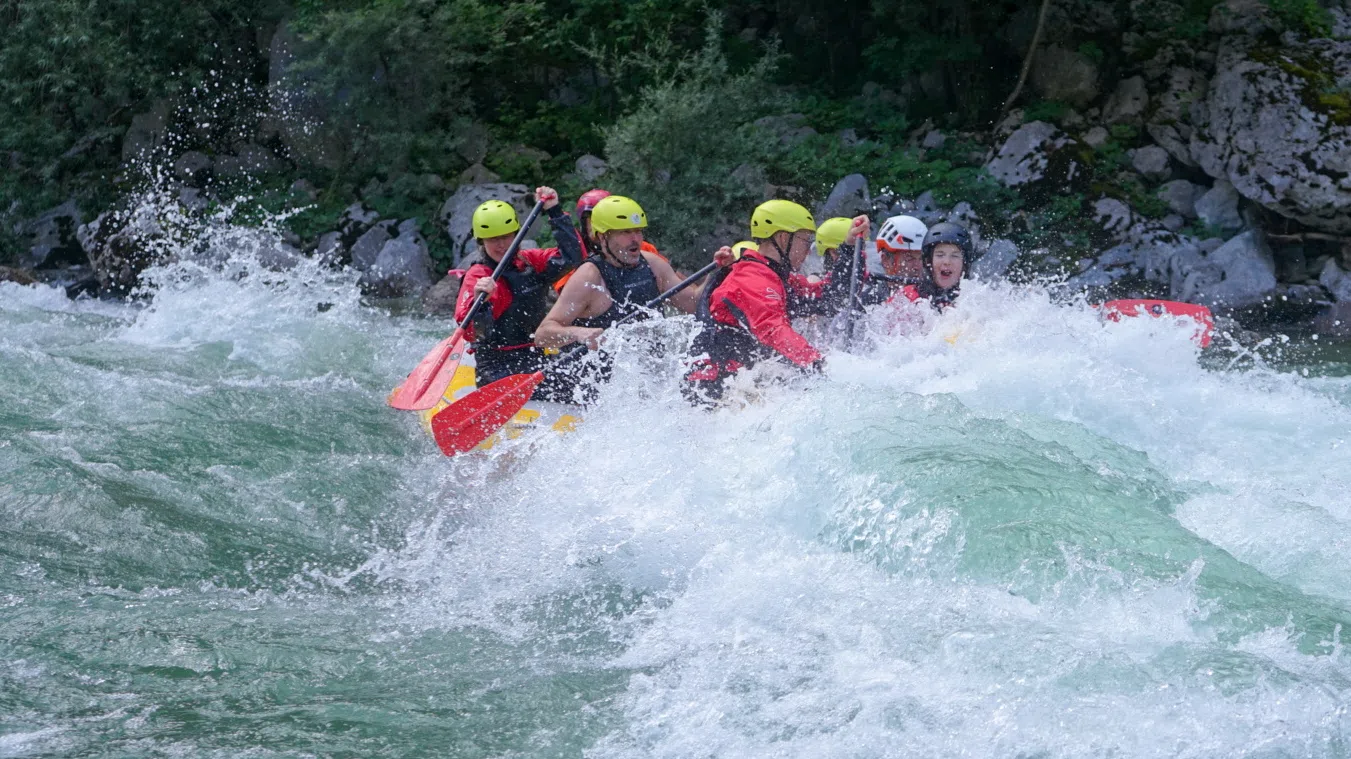
Higher water is more common, creating a faster and more powerful river. A great choice if you are looking for more adrenaline.
Summer rafting
Warm weather, usually lower water and more opportunities for swimming and jumping. Especially popular with families.
Early autumn
Fewer visitors, pleasant temperatures and the possibility of rising water levels after the summer.
Spring rafting: higher water and spectacular scenery
Spring is one of the most exciting times to experience rafting on the Soča River. As temperatures begin to rise, snow in the surrounding mountains starts to melt and this can contribute to higher water levels. On some days, you can still see snow-covered peaks above the green valley while paddling on the emerald Soča below.
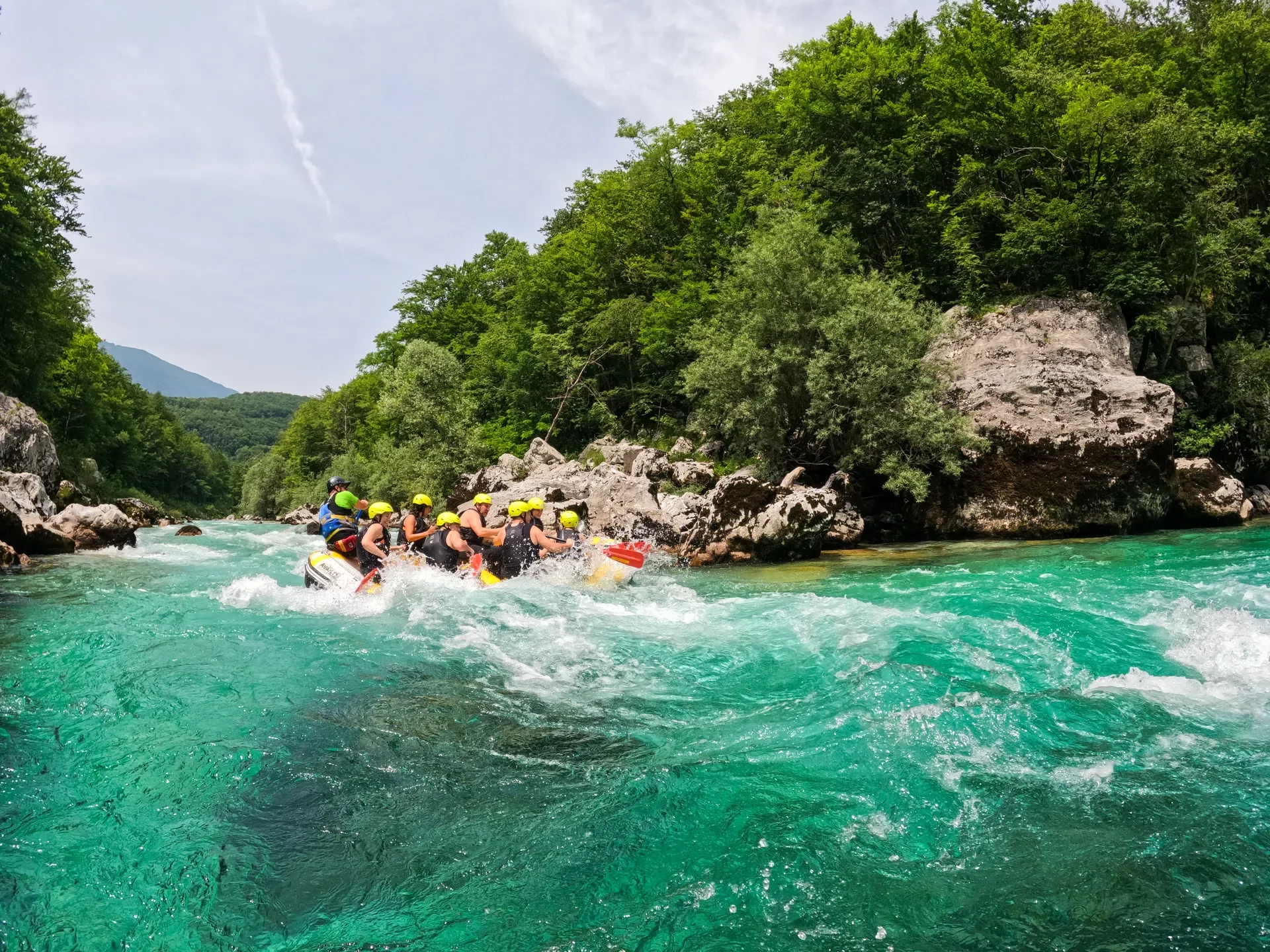
Higher water changes the character of the river. The current becomes faster and more powerful, the rapids become bigger and the whole trip can feel more dynamic. For guests looking for more adrenaline, spring can therefore be an excellent time to go rafting.
It also changes the way we guide the river. When the water is higher, we normally start at the Boka entry point and continue downstream to Trnovo ob Soči. If the water level becomes exceptionally high, however, this section may no longer be suitable for the group — especially when rafting with younger children.
In those conditions, we can move the trip further upstream and use a different section of the Soča, starting around Golobar and finishing at Srpenica I. The exact route is therefore not determined only by the date on the calendar. Before every trip, we consider the current river conditions and the people in the group before deciding where to raft.
Summer rafting: lower water doesn't mean boring rafting
Summer is the busiest time in the Soča Valley, and for good reason. Long, hot days make being on the river one of the best ways to cool down, while the warmer weather is especially pleasant for families with children.
By summer, the water level of the Soča is usually lower than in spring. But lower water does not mean that rafting becomes boring or that there is less to do. In fact, parts of the river can become more technical.
On the section between Srpenica and Trnovo ob Soči, more rocks and obstacles become exposed as the water level drops. Instead of simply being carried downstream by a stronger current, the crew needs to paddle more and work together while the guide finds the best line between the rocks. This can make low-water rafting surprisingly dynamic and interactive.
Lower water also gives us more opportunities to stop along the way. Depending on the conditions, we can spend more time swimming in the Soča, jumping into the water and enjoying some of the playful parts of the trip that are not always possible when the river is higher and more powerful.
So if you visit the Soča Valley during a hot July or August and see that the river is lower than it was in spring, don't assume you have missed the best rafting conditions. It is simply a different version of the Soča — more technical in places, more playful in others, and perfect for cooling down on a summer day.
Autumn rafting: more water, fewer people
Early autumn is one of the most underrated times for rafting on the Soča River. The busiest holiday period comes to an end, there are fewer visitors on the river and the whole Soča Valley starts to feel quieter. As we like to say, the valley begins to breathe again.
Temperatures can still be very pleasant, especially in the first part of autumn, while changing weather and seasonal rainfall can bring the water level back up after the drier summer months. When that happens, the river becomes faster and more powerful again, offering a different experience from low-water summer rafting.
For guests who want a little more adrenaline but prefer to avoid the busiest weeks of July and August, early autumn can be an excellent choice. You get a quieter atmosphere in the valley while still having the chance to experience a faster and more powerful river.
Of course, autumn conditions can vary from year to year. River levels depend on recent weather and rainfall, so we always look at the actual conditions rather than the date on the calendar.
How water level changes your rafting experience
Water level is one of the biggest factors affecting how a rafting trip on the Soča feels. But higher water does not automatically mean better rafting, and lower water does not mean a less exciting experience. Each creates a different kind of trip.
Higher water
With more water in the river, the Soča becomes faster and more powerful. Rapids are bigger, the current does more of the work and there is generally a stronger feeling of speed and adrenaline.
At the same time, stronger currents can limit the places where it is suitable to stop, swim or jump into the river. If the water becomes exceptionally high, we may also choose a different rafting section to match the conditions and the group.
Lower water
When the water drops, more rocks and obstacles appear. This requires more precise navigation through the rapids and more active paddling from the crew, especially on the section between Srpenica and Trnovo ob Soči.
The river may be less powerful, but the trip becomes more technical and interactive. Lower water can also create more opportunities to swim, jump into the Soča and spend time enjoying the river along the way.
Can you go rafting on the Soča River when it rains?
Yes, rafting on the Soča River can usually go ahead when it rains. You are going to get wet on a rafting trip anyway, and a normal rainy day is not by itself a reason to cancel a rafting trip.
Rain also does not necessarily mean that the river will suddenly rise within a few hours. In our experience, it usually takes a longer period of rainfall — often two or three days — or a particularly intense downpour before the Soča reacts significantly. The response of the river always depends on the actual weather and conditions in the valley.
This is why we check the water level and current conditions before every rafting trip. If the river is higher than usual, we can adapt the route and choose a section that is more suitable for the conditions and the group. If conditions are not safe for rafting, we do not go.
Rain is different from a thunderstorm
There is an important difference between rafting in the rain and rafting during dangerous weather. Rain alone normally does not stop us, but thunderstorms, lightning and strong winds are a different situation. If these conditions could affect the safety of the trip, we postpone the rafting and choose a more suitable time.
So if your weather forecast shows some rain during your stay in the Soča Valley, there is no need to assume that your rafting trip is cancelled. We look at the real conditions on the day and make the decision based on the river and the weather, not simply on a rain icon in the forecast.
What is the best time for rafting with children?
For families with children, summer is usually the most comfortable time for rafting on the Soča River. July and August bring the warmest weather, which makes getting wet, swimming and spending time on the river much more enjoyable for younger guests.
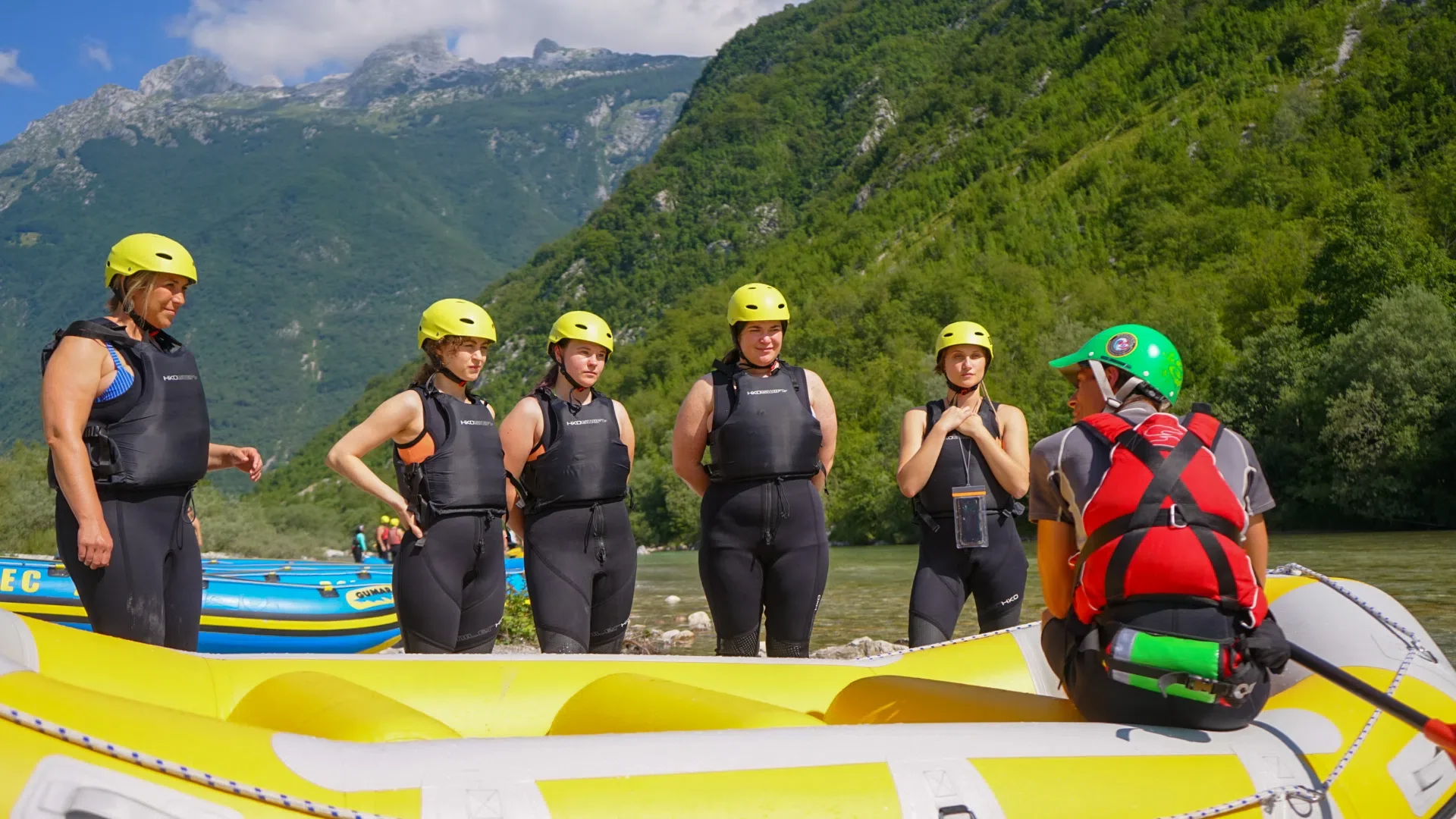
This is especially important because the Soča remains a cold alpine river even during summer. We provide wetsuits, rafting shoes, helmets and life jackets, but children generally feel the cold sooner than adults, so warm and sunny weather can make a big difference to their overall experience.
Summer water levels are often lower, which also gives us more opportunities to include playful stops along the way. Depending on the conditions and the group, children can swim in the river, try a jump into the Soča or simply enjoy some time in the water between the rapids.
However, we never decide whether a rafting trip is suitable for a family based only on the season or water level. We also consider the current river conditions, the weather and the age of the children before choosing the most appropriate section for the group.
What is the best time for more adrenaline?
If you are looking for a more powerful and adrenaline-filled rafting experience, spring and autumn can be great times to visit. Water levels are often higher than during the summer, which can mean a faster current, bigger rapids and a more intense ride.
Spring is particularly interesting because melting snow from the surrounding mountains can contribute to higher water levels. In autumn, rainfall can bring the river back up again after the typically drier summer period.
But there is no date on the calendar that can guarantee high water. The Soča is a natural river and conditions change with the weather. If adrenaline is your priority, the actual water level around the time of your visit is more important than choosing a particular month.
What about crowds on the Soča River?
July and August are the busiest months in the Soča Valley. This is the main holiday season, the weather is usually warm and rafting, canyoning and other outdoor activities attract many visitors to the valley.
Naturally, this also means more people on the Soča River. During the busiest summer days, you are likely to meet other rafting groups, kayakers and people enjoying the river along the way. That does not make summer a bad time to go rafting — it is simply a livelier time of year in the valley.
If you prefer a quieter experience, late spring or early autumn can be a great alternative. There are generally fewer visitors, while the river can still offer excellent rafting conditions. Even during peak summer, the time of day and the section of river can make a difference to how busy the trip feels.
For us, keeping rafting groups small is also an important part of the experience. It gives us more time with each guest and makes it easier to enjoy the river as a group rather than feeling like part of a large convoy.
Rafting is also a way to discover the Soča Valley
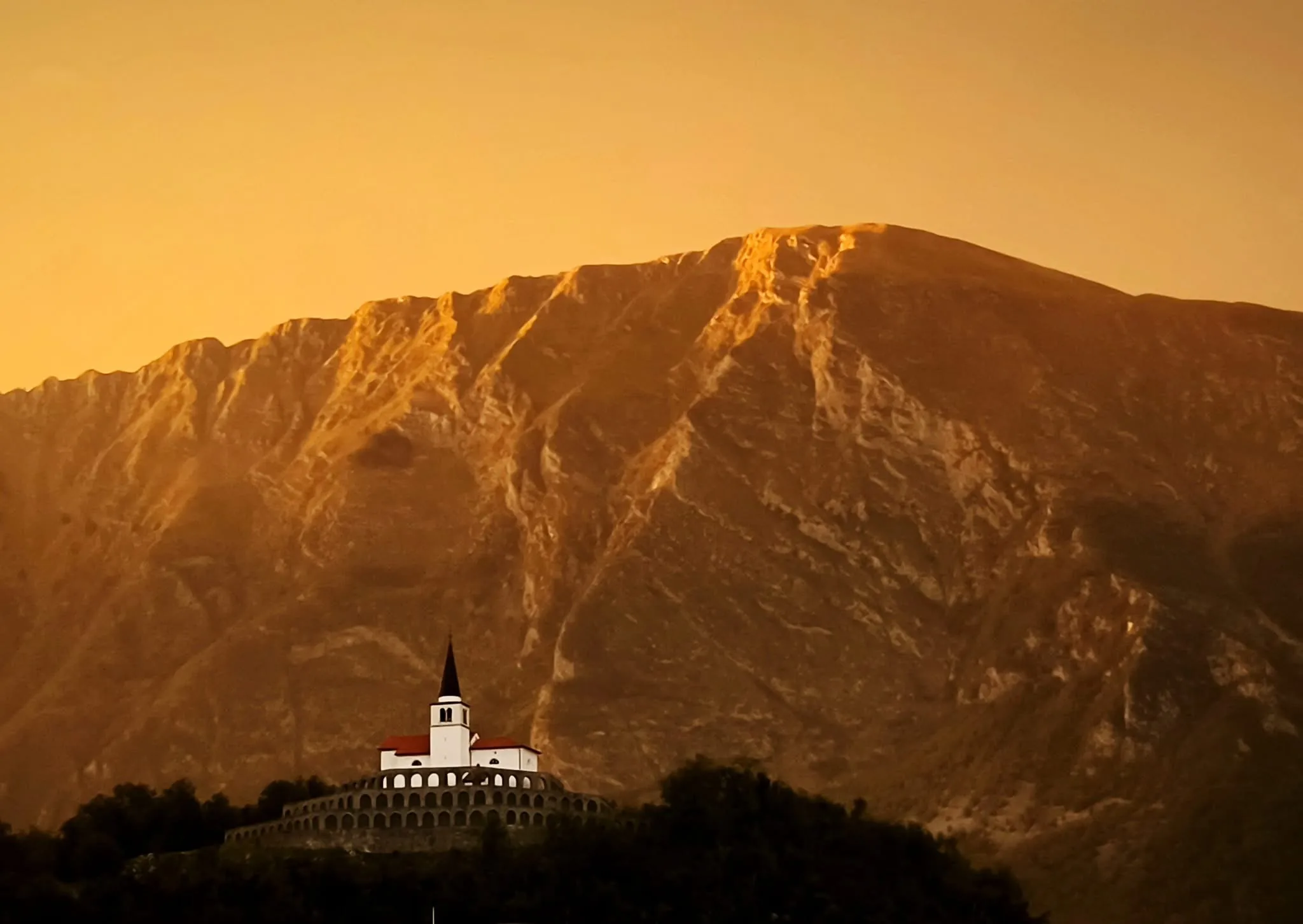
For us, rafting has never been only about getting from the start to the finish as quickly as possible. The Soča River runs through the place where we grew up, and a rafting trip is also an opportunity to show guests the valley that we know as locals.
Between the rapids, there is time to look around, enjoy the landscape and learn something about the places you are passing. The Soča Valley has an incredible amount of nature and history, but many of its stories are easy to miss when you are visiting for only a few days.
This is one of the reasons we prefer rafting in smaller groups. It gives us time to talk, share stories and make the trip more personal. We want you to experience the Soča not only as a beautiful river, but as part of a valley with its own history, people and way of life.
Whether you come in spring, summer or early autumn, the river will be different. There may be more water, less water, sunshine or rain. There is no single perfect day for rafting on the Soča — only different ways to experience it.